
Bathroom Remodeling · Nashua, NH and Southern New Hampshire
Bathroom Remodeling in Nashua, NH
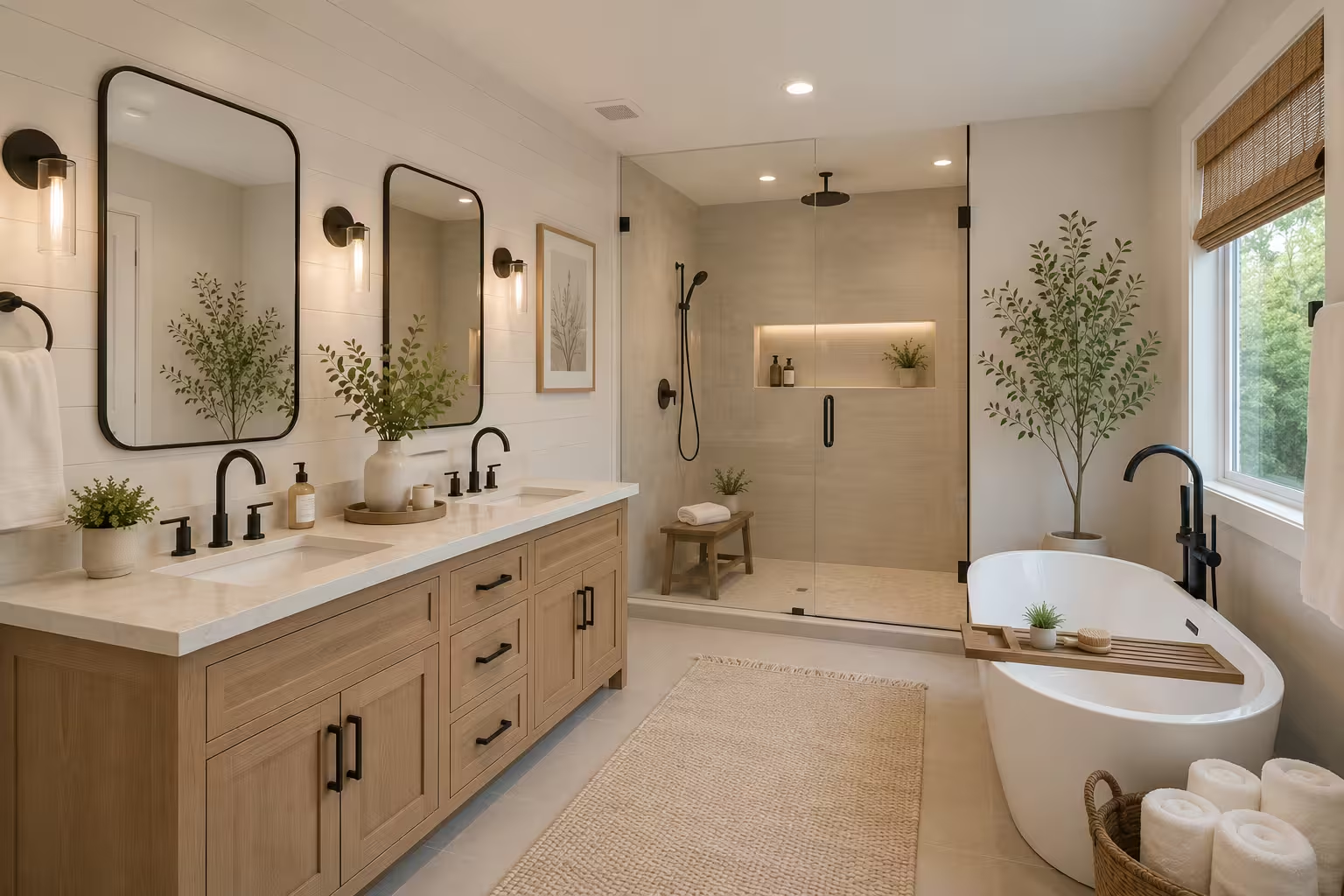
Get a Free EstimateBathroom remodeling in Nashua starts with a bathroom you have been working around for years. The grout is cracking again. The shower feels smaller every year. The fixtures look like they came with the house because they did. If you've been patching things instead of fixing them, a full remodel is the fix.
Full bathroom remodels across Nashua, Bedford, Hollis, Amherst, and the surrounding towns. One crew handles design, tile, plumbing, electrical, and cleanup. You deal with one phone number and one schedule.
Older homes in this area often still have their original bathrooms. Small layouts, dated tub-shower combos, exhaust fans that barely work. Those bathrooms were built to the minimum standards of their era, and the same layout problems tend to repeat from house to house.
- Free Estimates
- Written Quotes
Request a Free Estimate
Tell us about the bathroom and we'll set up a site visit.
Bathroom Services
What a Full Bathroom Remodel Includes
A full bathroom remodel means everything in the room gets addressed. Not just the fixtures you can see, but the tile, the flooring, the plumbing behind the wall, and the ventilation that keeps the whole thing from growing mold two years later. Bathroom renovations that stop at the fixtures leave the reason the room fails untouched. Here's what's typically involved.
Walk-in Shower Conversion
Stepping over a tub wall every morning stops making sense at some point. A curbless walk-in shower is easier to get in and out of, easier to clean, and opens up a room that probably felt tight to begin with. If accessibility matters now or might matter later, this is one of the upgrades that can make the biggest difference.
Bathtub Replacement
A stained or cracked tub makes the rest of the bathroom look worse than it is. We replace old units with soaking tubs or tub-shower combos that actually fit the space. Not every bathroom needs a freestanding tub. Most need one that works with the layout you have.
Bathroom Vanity Installation
If two people can't get ready at the same time, the vanity is wrong for the room. A properly sized vanity with built-in storage, a wider countertop, and a mirror that works for more than one person changes how the bathroom functions in the morning.
Bathroom Tile and Waterproofing
Cracked grout and lifting tile aren't just ugly. They can let water behind the tile. Once moisture gets in, it can reach the framing, and now you may have moisture damage, mold, or even damage to the framing. We install tile with proper substrate, membrane waterproofing, and grout that holds up over time. Getting the waterproofing right the first time is far better than having to tear it out and do it again.
Bathroom Flooring
Old vinyl peels at the edges. Carpet in a bathroom (and yes, some homes in this area still have it) absorbs moisture and traps it underneath. We install water-resistant flooring that handles daily splashing, humidity, and the temperature swings that come with New Hampshire seasons.
Bathroom Fixture and Plumbing Upgrades
Dated faucets, low water pressure, and supply lines that have been in service for 40+ years. Updating the fixtures is the visible part. Replacing the supply lines and drain connections behind the wall is the part that prevents problems five years from now.
How It Works
Our Full Bathroom Remodeling and Renovation Process
Here's how the project runs from the first conversation through the final walkthrough. Hiring one bathroom remodeler instead of lining up a plumber, a tiler, and an electrician yourself means one person owns the sequence and answers for it.
- 1
You'll See the Full Plan Before Any Work Starts
A site visit comes first. We look at the bathroom, measure the space, talk through what bothers you most, and put together a written estimate with materials, labor, and timeline. No guessing. You see what the planned project involves before you commit to the work.
- 2
Every Fixture, Tile, and Finish Gets Picked Before Demo Day
Tile, vanity, showerhead, faucet, flooring, paint color. All of it gets selected and ordered during the design phase. By the time demo starts, the major decisions are already made, and the fixtures should be on site when the crew needs them.
- 3
Permits and Inspections Are Handled for You
When your bathroom remodel involves plumbing, electrical, or structural work, we handle the permitting and inspections. You don't have to track any of it.
- 4
The Bathroom Gets Gutted Properly, and Nothing Closes Until the Final Walkthrough
This is the step most homeowners don't think about, but it matters more than anything that goes on top. When we strip the old tile, pull the fixtures, and open the walls, we see what's really going on. Water damage behind the shower, mold under the floor, drain pipes that have corroded, supply lines that should have been replaced years ago. If any of that is there, it gets dealt with before new tile goes over it. Covering up a problem with a new surface is not a remodel. It's a delay. Adjacent rooms are sealed off from the work area. Floors on traffic paths are covered. Debris is cleared at the end of each work day. Once the new work is in, the final walkthrough covers the bathroom together, detail by detail. Tile alignment, grout lines, fixture operation, caulk joints, drain flow. If something isn't right, it gets noted and fixed before the project closes.
What Older Nashua Bathrooms Hide Behind the Walls
Older homes in this area come with bathroom problems that aren't always visible until you open the walls. Here's what tends to be back there and why it matters for your remodel.
Plumbing That's Past Its Lifespan
Some older homes still have their original plumbing. Depending on the age of the home, we may find galvanized steel supply lines that restrict water flow over time, or cast iron drain pipes that corrode from the inside and eventually crack. You may not notice the problem until water pressure drops or a slow drain turns into a leak inside the wall. In a full remodel, we check the condition of the supply lines and drains. If they're deteriorating, replacing them while the walls are already open is generally simpler than opening a finished bathroom later.
Ventilation That Doesn't Keep Up
This is one of the most underestimated issues in older bathrooms. The exhaust fan may be undersized for the room, or it may not vent properly to the exterior. The result is a bathroom that stays damp for too long after every shower. That persistent moisture can lead to mold growth on grout, mildew around caulk joints, and peeling paint. Upgrading the ventilation during a bathroom remodel can be one of the most worthwhile improvements you make. It helps protect everything else in the room.
Small Footprints and Outdated Layouts
Many older bathrooms were built around 5x8 feet or smaller. That was standard at the time. The layout usually puts the tub on one wall, the toilet next to it, and a narrow vanity across from both. It works, but not well. Remodeling within the same footprint is possible and can make a real difference. Converting the tub to a walk-in shower frees up floor space. A wall-mounted or floating vanity opens up the room visually. Recessed storage and a properly placed mirror make the room feel larger without moving any walls.
Previous "Updates" That Created New Problems
Some bathrooms have been partially updated once or twice already. Tile installed over old tile without removing the first layer. A shower enclosure dropped over an original tub without addressing the drain or the waterproofing underneath. DIY plumbing connections that don't meet current code. These shortcuts look fine on the surface but cause problems later. Part of a full remodel is stripping all of that back and building from a proper starting point.
Budgeting Your Project
How Much Does a Bathroom Remodel Cost in Nashua?
What does a full bathroom remodel actually cost in this area? The honest answer: it depends on the scope, the materials, and what the demo reveals.
Several things drive the cost of a bathroom remodel. Tile is one of them, both the material itself and the labor to install it properly. A shower with large-format porcelain and full waterproofing is a different job than basic ceramic on a tub surround. Plumbing work is another variable. If the layout stays the same, the plumbing cost is manageable. If you're converting a tub to a walk-in shower, relocating the drain, or replacing old supply lines, the plumbing portion of the budget grows.
Waterproofing matters more than most homeowners realize. A properly waterproofed shower costs more upfront than a quick install with caulk, but it can help prevent leaks and the damage they cause later. The vanity, fixtures, and finishes add up too. Custom vanities cost more than stock ones. Brushed brass fixtures cost more than chrome.
Then there's what the demo uncovers. Mold behind the shower wall, rotted subfloor under the toilet, drain pipes that have corroded through. Older homes in this area are more likely to have these problems, and they need to get addressed before anything new goes on top. Leaving some room in the budget for unexpected conditions is a practical way to approach an older bathroom.
The best way to get a real number for your bathroom is a site visit.
Design Directions
Bathroom Design Trends in 2026
Zero-threshold showers keep growing. Partly for accessibility, partly because they make a small bathroom feel bigger. They're also easier to keep clean than a shower with a curb and a door.
Large-format tile is replacing small mosaic tile in showers. Fewer grout lines mean less maintenance and a cleaner look. Textured and matte finishes are more common than high-gloss.
On fixtures, brushed brass and matte black are showing up more often than chrome. Unlacquered brass is showing up in higher-end remodels. It ages and patinas over time, which is either a selling point or a dealbreaker depending on the homeowner.
Floating vanities are gaining ground. They open up the floor visually and make a small bathroom feel less cramped. From a practical standpoint, cleaning the floor underneath is easier too.
One trend that's fading: the all-white bathroom with white subway tile on every surface. It still works, but demand is shifting toward warmer tones, natural textures, and at least one wall that does something different.
Service Area
Bathroom Remodeling Across Southern New Hampshire
From colonials in Bedford to ranch-style homes in Merrimack, bathroom layouts and plumbing conditions vary across the area. Different homes, different problems, different solutions.
Common Questions
Questions Homeowners Ask About Bathroom Remodeling in Nashua
How long does a bathroom remodel take?
Most full bathroom remodels run 3 to 5 weeks from demo to final walkthrough. The timeline depends on scope. A straightforward fixture-and-tile job is faster than a tub-to-shower conversion with plumbing relocation. The biggest schedule factors are tile lead times and custom vanity orders, both of which can take several weeks. Those get ordered during the design phase so they're on site when the crew needs them.
Can I convert my bathtub to a walk-in shower?
In most cases, yes. The existing plumbing is usually nearby, but the drain location may need to change (a shower drain and a tub drain sit in different spots, so the drain line may need to be moved) and waterproofing (a walk-in shower needs a full membrane system, not just tile and grout). If the shower will be curbless, the floor may need to be built up or sloped correctly for drainage. We assess all of this during the site visit.
What's the most expensive part of a bathroom remodel?
It depends on the project. On a shower-focused remodel, tile and the labor to install it properly tend to be the biggest portion. On a full remodel, plumbing relocation and custom vanity work can shift the balance. If demo reveals water damage, mold, or failing pipes behind the walls, the remediation cost can change the budget significantly. There isn't one answer that fits every bathroom. The scope determines where the money goes.
Do I need to replace the plumbing during a remodel?
Not always, but it's worth checking. If the home still has galvanized steel supply lines, they're likely restricting water flow and corroding from the inside. If the drain pipes are cast iron and they're 40+ years old, they may be close to failing. During a full remodel, the walls are already open. Replacing old plumbing while the walls are already open is generally simpler than opening a finished bathroom later. We check the condition of the pipes during demo and flag anything that should be addressed.
How do I choose tile for a bathroom that lasts?
Porcelain is often a good choice for wet areas because it has lower water absorption than standard ceramic tile. That matters in a shower and on a bathroom floor. For shower walls, larger tiles mean fewer grout joints, which means less maintenance and fewer places for water to get through. For floors, choose something with enough texture that it isn't slippery when wet. The tile itself is only part of it. The substrate and waterproofing membrane behind it determine how long the tile actually stays on the wall.
Is it worth remodeling a small bathroom?
A 5x8 bathroom is small, but that doesn't mean a remodel won't make a difference. Converting the tub to a walk-in shower opens up floor space. A floating vanity makes the room feel less tight. Recessed shelving in the shower wall gives you storage without taking up room. A well-planned layout can take a small bathroom from barely functional to comfortable without moving a single wall. The layout change matters more than the square footage.
What should I do about mold behind my shower tile?
Don't tile over it. If you suspect mold behind the tile (musty smell, discoloration at grout lines, soft drywall behind the tile), the tile needs to come off and the wall behind it needs to be inspected. If it's surface mold on cement board, it can usually be treated and the area rebuilt properly. If it's reached the framing, the affected wood needs to be removed and replaced. The cause also needs to be fixed. Usually that means better waterproofing on the new shower installation and improved ventilation in the bathroom. Covering mold with new tile doesn't make it go away. It doesn't address the source of the problem.
Bathroom Remodeling Services in Detail
That Bathroom Isn't Getting Better on Its Own
If you've been putting off the remodel, the grout is still cracking, the tile is still lifting, and the layout still doesn't work. The first step is a conversation. We look at the bathroom, talk through what needs to happen, and put a written estimate in front of you.